Delving into How to Start a Business in the UK as an Expat (Step-by-Step), this introduction immerses readers in a unique and compelling narrative, with engaging and thought-provoking insights right from the start.
As an expat looking to establish a business in the UK, navigating the intricate process can be daunting. From researching business opportunities to securing funding, this comprehensive guide will walk you through each step with clarity and precision.



Researching Business Opportunities in the UK
Starting a business in the UK as an expat requires careful research to identify lucrative opportunities and navigate the legal landscape. Here are some key aspects to consider:
Key Industries for Expat Entrepreneurs
When exploring business opportunities in the UK, expats may find success in the following key industries:
- Technology and Innovation: The UK has a thriving tech sector, with hubs like London’s Silicon Roundabout offering opportunities for tech startups.
- Finance and Fintech: London is a global financial center, making it an attractive location for expats looking to venture into finance or fintech.
- Healthcare and Biotech: The UK has a strong healthcare system and is a hub for biotech research, presenting opportunities for expats in these fields.
Identifying Market Gaps and Niches
Expats can tap into niche markets or identify gaps in existing industries to carve out a unique business proposition. Some potential areas to explore include:
- Sustainability: With a growing focus on sustainability and eco-friendly practices, expats can capitalize on green business opportunities.
- Personalized Services: Offering personalized services in sectors like healthcare, education, or leisure can cater to specific customer needs.
- E-commerce: The rise of online shopping presents opportunities for expats to launch e-commerce businesses targeting niche markets.
Legal Requirements and Regulations
Expat entrepreneurs in the UK must comply with specific legal requirements and regulations, including:
- Visa and Work Permits: Expats need the right visa or work permit to legally operate a business in the UK.
- Business Structure: Choosing the right business structure, such as a limited company or sole trader, impacts legal obligations and tax implications.
- Taxation: Understanding UK tax laws and obligations is crucial for expat entrepreneurs to avoid penalties and ensure compliance.
Creating a Business Plan
Starting a business in the UK as an expat requires a solid business plan to Artikel your goals, strategies, and financial projections. A well-crafted business plan serves as a roadmap for your venture and helps you secure funding from investors or financial institutions.
Essential Components of a Business Plan
- Executive Summary: A brief overview of your business, highlighting key points such as your business idea, target market, financial projections, and funding requirements.
- Company Description: Detailed information about your business, including your mission statement, legal structure, location, and history (if applicable).
- Market Analysis: Research on your target market, industry trends, competitors, and potential challenges. This section should demonstrate your understanding of the market and your competitive advantage.
- Organization and Management: Description of your company’s organizational structure, management team, and key personnel. Include resumes and relevant experience of key team members.
- Product or Service Line: Details about your products or services, including features, benefits, pricing, and any intellectual property rights.
- Sales and Marketing Strategy: Plan for promoting and selling your products or services, including pricing, distribution channels, advertising, and sales tactics.
- Financial Projections: Forecast of your business’s financial performance, including income statements, cash flow projections, and balance sheets. This section should also include details about startup costs and funding requirements.
- Funding Request: If you are seeking funding, specify the amount needed, how the funds will be used, and the potential return on investment for investors.
- Appendix: Additional documents that support the information provided in the business plan, such as resumes, legal documents, market research data, and other relevant materials.
Importance of Market Analysis and Competitive Research
Market analysis and competitive research are crucial components of a business plan as they help you understand your target market, identify opportunities and threats, and develop strategies to position your business effectively. By conducting thorough market research, you can assess the demand for your products or services, identify your target customers, and analyze your competitors’ strengths and weaknesses.
This information will inform your marketing strategy, pricing decisions, and sales approach, ultimately increasing your chances of success in the UK market.
Setting Realistic Goals and Milestones
Setting realistic goals and milestones is essential for tracking your progress, staying focused, and measuring your success. When developing your business plan, be sure to set specific, measurable, achievable, relevant, and time-bound (SMART) goals that align with your overall business objectives.
Break down your goals into smaller milestones to track your progress and make adjustments as needed. By setting realistic goals and milestones, you can stay motivated, make informed decisions, and achieve long-term success with your startup in the UK.
Registering Your Business: How To Start A Business In The UK As An Expat (Step-by-Step)
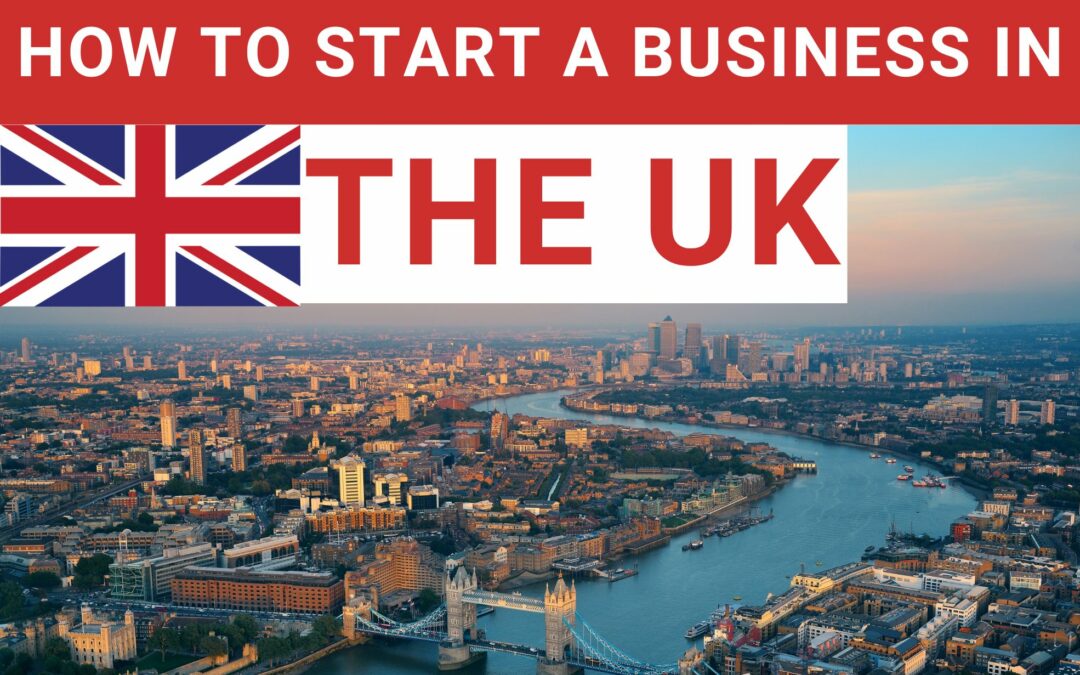
Starting a business as an expat in the UK involves a step-by-step process to ensure legal compliance and smooth operations. Registering your business is a crucial step in establishing your presence and legitimacy in the market.
Different Business Structures and Implications
When registering your business in the UK as an expat, you have several options for business structures, each with its own implications:
- Sole Trader: As a sole trader, you are the sole owner of the business and have unlimited liability. This structure is simple and easy to set up, but you are personally responsible for any debts.
- Limited Company: A limited company is a separate legal entity from its owners, providing limited liability. This structure requires more administrative work and has stricter reporting requirements.
- Partnership: In a partnership, two or more people share ownership of the business. Each partner is personally liable for the business’s debts, and decisions are shared among partners.
Each business structure has its own tax implications and legal obligations, so it’s essential to choose the one that best suits your business needs and future growth plans.
Tax Obligations and Implications for Expat Entrepreneurs
- Income Tax: As an expat entrepreneur in the UK, you are required to pay income tax on any profits generated from your business activities. The tax rates vary depending on your income level.
- Value Added Tax (VAT): If your business turnover exceeds the VAT threshold, you must register for VAT and charge VAT on your goods and services. This additional tax must be paid to HM Revenue & Customs.
- Corporation Tax: Limited companies are subject to corporation tax on their profits. It’s crucial to understand the tax rates and deadlines for filing tax returns to avoid penalties.
Understanding the tax obligations and implications for expat entrepreneurs in the UK is essential for maintaining compliance and managing your finances effectively.
Securing Funding and Financing

Securing funding and financing is a crucial step for expat entrepreneurs looking to start a business in the UK. It can be challenging, but with the right information and approach, you can find the financial support you need to get your business off the ground.
Financing Options for Expat Entrepreneurs
- Personal Savings: Using your own savings is a common way to finance a new business.
- Bank Loans: Expats can apply for business loans from UK banks, but eligibility criteria may vary.
- Angel Investors: Seek support from angel investors who are willing to invest in promising startups.
- Venture Capital: Venture capital firms can provide funding for high-growth potential businesses.
Eligibility Criteria for Funding Opportunities, How to Start a Business in the UK as an Expat (Step-by-Step)
- Business Plan: A solid business plan is essential to demonstrate the viability of your business idea.
- Credit History: Your personal and business credit history will be evaluated by lenders and investors.
- Collateral: Some loans may require collateral to secure the funding.
- Residency Status: Your residency status in the UK may affect your eligibility for certain funding options.
Tips for Pitching Your Business Idea
- Prepare a Compelling Pitch: Clearly articulate your business idea, target market, and revenue potential.
- Focus on Value Proposition: Highlight what sets your business apart and why it is a worthwhile investment.
- Be Professional: Present yourself professionally and confidently when pitching to investors or lenders.
- Show Passion: Investors are more likely to support entrepreneurs who are passionate about their business idea.
Final Review

Concluding this guide on How to Start a Business in the UK as an Expat (Step-by-Step), it’s evident that with the right knowledge and strategy, expats can successfully launch and grow their businesses in the UK. By following these steps diligently, you’ll be well on your way to entrepreneurial success in a new environment.
FAQ Compilation
What are the key industries for expats to consider when starting a business in the UK?
Some key industries for expats to explore in the UK include technology, finance, healthcare, and tourism.
What are the different business structures available for expats in the UK?
Expats can choose from structures like sole trader, partnership, limited liability partnership, or limited company when registering their business in the UK.
How can expat entrepreneurs secure funding for their UK business?
Expat entrepreneurs can seek funding through loans, grants, angel investors, venture capitalists, or crowdfunding platforms to finance their business ventures in the UK.