As Freelancing vs Company Setup in the UK: What Expats Should Choose takes center stage, this opening passage beckons readers into a world crafted with good knowledge, ensuring a reading experience that is both absorbing and distinctly original.
This topic delves into the comparison between freelancing and setting up a company in the UK for expats, exploring the benefits, tax implications, legal requirements, financial considerations, and work-life balance of each option.





Freelancing in the UK
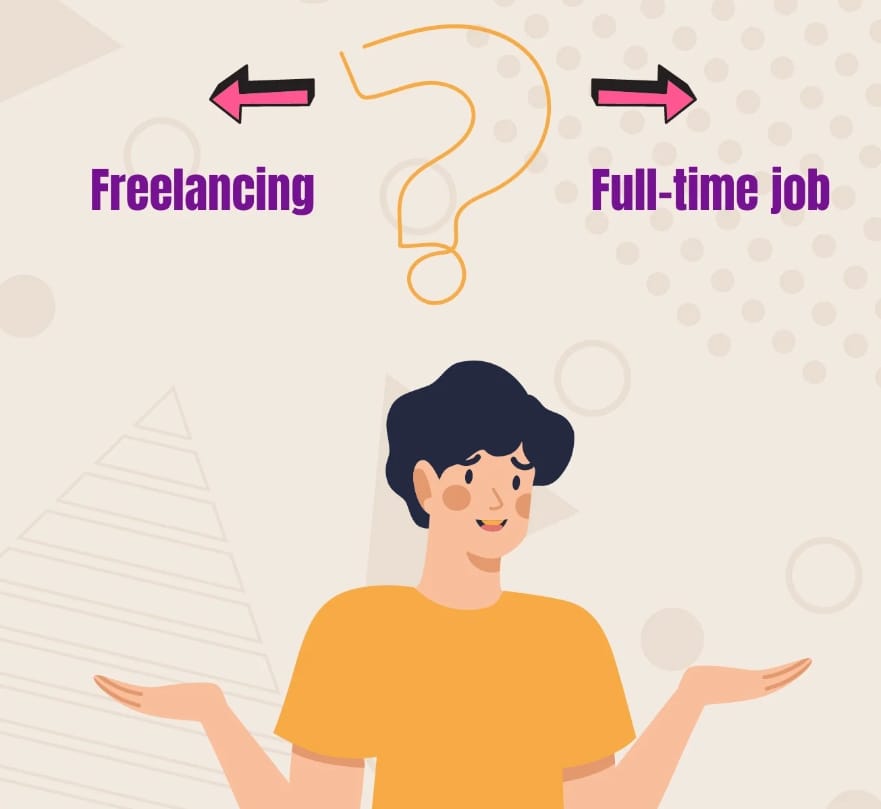
Freelancing in the UK offers expats the flexibility to work on various projects for multiple clients without being tied down to a single employer. This allows for a diverse portfolio and the freedom to choose the type of work they want to do.
Benefits of Freelancing for Expats in the UK
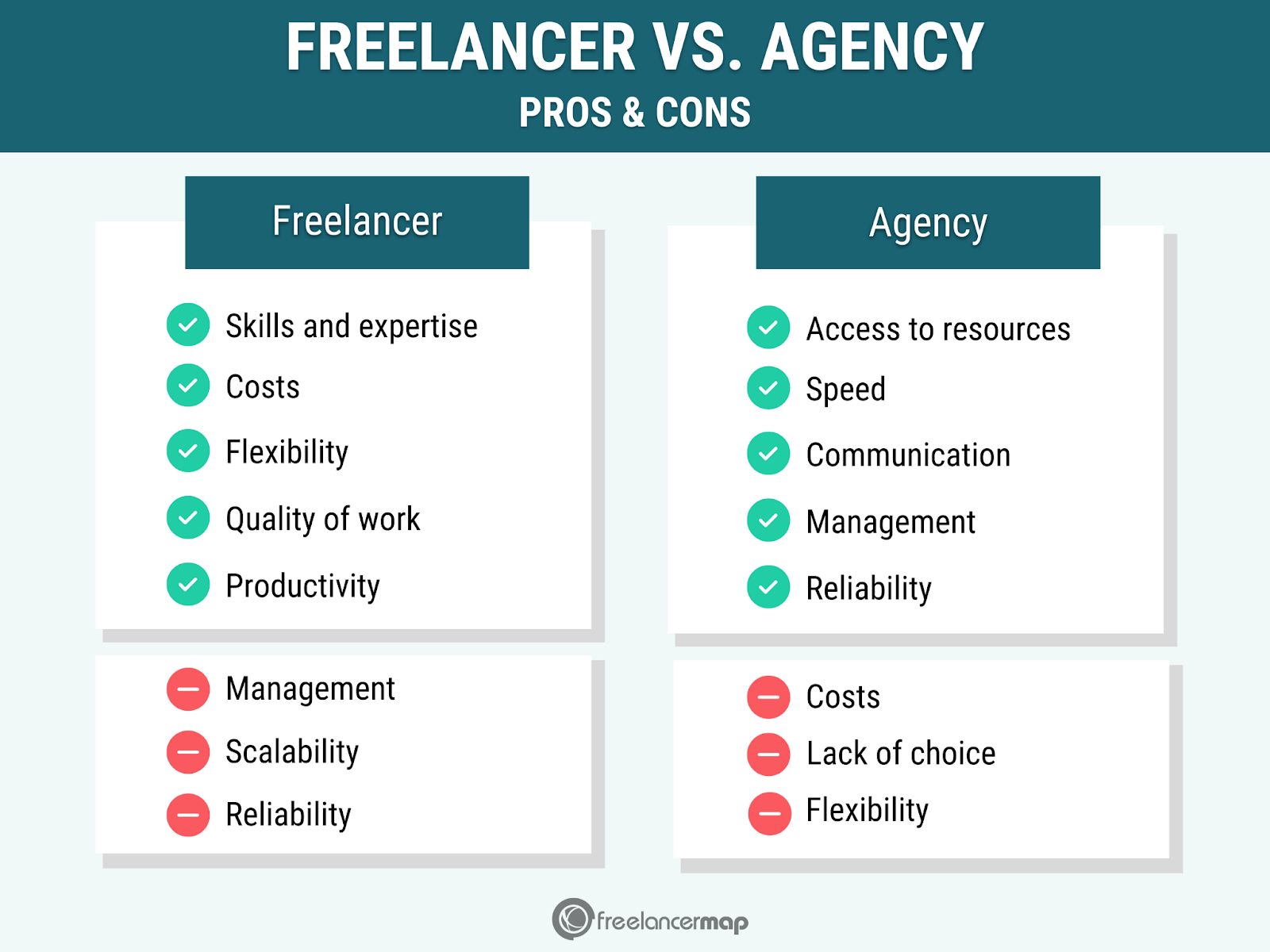
- Flexibility: Freelancers have the freedom to set their own working hours and choose the projects they want to work on.
- Increased Earnings: Freelancers have the potential to earn more than traditional employees, especially if they have specialized skills in high demand.
- Work-Life Balance: Freelancing allows expats to have more control over their work schedule, leading to a better work-life balance.
Tax Implications for Freelancers in the UK
- Income Tax: Freelancers are required to pay income tax on their earnings, with rates varying depending on income levels.
- Value Added Tax (VAT): Freelancers may need to register for VAT if their annual earnings exceed a certain threshold, currently set at £85,000.
- Self-Employment Tax: Freelancers are responsible for paying National Insurance contributions as self-employed individuals.
Legal Requirements for Freelancers in the UK
- Registration: Freelancers must register as self-employed with HM Revenue & Customs (HMRC) and keep accurate financial records.
- Contracts: Freelancers should have written contracts in place for each project they undertake to Artikel the terms and conditions of their work.
- Insurance: Freelancers may need to have professional indemnity insurance to protect themselves in case of legal disputes with clients.
Setting up a Company in the UK
Starting a company as an expat in the UK involves several steps and considerations. It can be a complex process, but with the right guidance, it can be a rewarding venture. Let’s delve into the details of setting up a company in the UK as an expat.
Steps to Set Up a Company in the UK
- Choose a business structure: Decide on the type of company you want to establish, such as a sole trader, partnership, limited liability partnership (LLP), or limited company.
- Register your company: Choose a unique name for your company and register it with Companies House. You will also need to provide details of directors, shareholders, and a registered office address.
- Set up a business bank account: Separate your personal and business finances by opening a business bank account for your company.
- Understand tax obligations: Familiarize yourself with the tax requirements for your company, including corporation tax, VAT, and PAYE if you have employees.
- Obtain necessary licenses and permits: Depending on the nature of your business, you may need specific licenses or permits to operate legally in the UK.
Advantages and Disadvantages of Establishing a Company
- Advantages:
- Limited liability protection: A limited company structure protects your personal assets from business debts and liabilities.
- Credibility: Operating as a company can enhance your credibility and attract more clients or customers.
- Potential for growth: Companies have the potential for significant growth and scalability compared to freelancing.
- Disadvantages:
- Complexity: Setting up and running a company involves more administrative tasks and legal requirements compared to freelancing.
- Costs: Establishing a company can be more expensive due to registration fees, accounting fees, and compliance costs.
- Tax implications: Companies are subject to corporation tax, which may result in higher tax obligations compared to freelancing.
Business Structures Available to Expats in the UK
- Sole Trader:A simple and cost-effective structure where you are personally responsible for the business.
- Partnership:A business owned and operated by two or more individuals, sharing profits and responsibilities.
- Limited Liability Partnership (LLP):A structure that combines elements of a partnership and a limited company, offering limited liability to partners.
- Limited Company:A separate legal entity from its owners, providing limited liability protection and potential for growth.
Financial Considerations
When it comes to choosing between freelancing and setting up a company in the UK, understanding the financial implications is crucial. Let’s delve into the differences in financial risks, taxes, and effective management of finances in both scenarios.
Financial Risks, Freelancing vs Company Setup in the UK: What Expats Should Choose
- Freelancing: Freelancers bear all financial risks personally. This means that any debts or liabilities incurred during work are the sole responsibility of the freelancer.
- Setting up a Company: By setting up a company, the financial risks are limited to the assets of the business. Personal assets of the company owners are generally protected from business debts.
Income Tax, VAT, and Other Financial Aspects
- Freelancers: Freelancers are typically taxed on their profits as self-employed individuals. They are required to pay income tax and national insurance contributions based on their earnings.
- Company Owners: Company owners are taxed on their company’s profits. They must pay corporation tax on the profits generated by the business. Additionally, they may also be subject to income tax on any salary or dividends they receive from the company.
- VAT: Freelancers only need to register for VAT if their annual turnover exceeds the VAT threshold. On the other hand, companies must register for VAT regardless of their turnover.
Managing Finances Effectively
- Freelancers: It is essential for freelancers to maintain accurate financial records, set aside funds for tax obligations, and consider investing in pension schemes for long-term financial security.
- Company Owners: Effective financial management for company owners involves budgeting, forecasting cash flow, and ensuring compliance with tax regulations. Seeking professional advice from accountants can help in managing finances efficiently.
Work-Life Balance: Freelancing Vs Company Setup In The UK: What Expats Should Choose
When it comes to work-life balance, both freelancing and owning a company in the UK can have their own unique challenges and benefits for expats.
Impact of Freelancing and Company Ownership
- Freelancing allows for more flexibility in terms of setting your own schedule and working from anywhere, which can lead to a better work-life balance.
- On the other hand, running a company comes with more responsibilities and a potentially higher workload, which can make maintaining work-life balance more challenging.
Tips for Maintaining Work-Life Balance
- Set boundaries between work and personal life by establishing specific work hours and sticking to them.
- Take regular breaks throughout the day to avoid burnout and maintain productivity.
- Delegate tasks when possible to reduce workload and free up time for personal activities.
- Engage in activities outside of work that bring you joy and relaxation to recharge your energy.
Flexibility of Freelancing vs Responsibilities of Company Ownership
- Freelancing offers the flexibility to work on projects that interest you and take time off as needed without the constraints of traditional employment.
- Owning a company requires a more structured approach to work, with responsibilities such as managing employees, finances, and overall business operations.
Final Summary

In conclusion, expats in the UK face a crucial decision when it comes to choosing between freelancing and setting up a company. Understanding the nuances of each option is vital in making an informed choice that aligns with individual goals and circumstances.
Key Questions Answered
What are the tax implications for freelancers in the UK?
Freelancers in the UK are subject to income tax and National Insurance contributions based on their earnings.
What are the steps involved in setting up a company in the UK as an expat?
Expats need to register their company with Companies House, open a business bank account, and comply with legal requirements.
How do financial risks differ between freelancing and setting up a company?
Freelancers bear the financial risks individually, while company owners may have limited liability depending on the business structure.
How does work-life balance vary between freelancing and company ownership?
Freelancers often enjoy more flexibility in managing their time, while company owners may face greater responsibilities.