Delving into Ultimate Guide for Expats: How to Successfully Start a Business in the UK, this introduction immerses readers in a unique and compelling narrative, with casual trendy Pontianak style that is both engaging and thought-provoking from the very first sentence.
Starting a business in the UK as an expat can be a rewarding venture, but it comes with its own set of challenges. From understanding legal requirements to creating a solid business plan, this guide will equip you with the necessary knowledge and strategies to navigate the UK business landscape successfully.






Researching Business Types in the UK

When starting a business in the UK, it’s crucial to research and understand the different business structures available to determine which one best suits your needs and goals.Sole Trader:A sole trader is the simplest form of business structure in the UK where an individual runs the business as a self-employed person.
Advantages:
- Easy to set up and manage.
- Full control over decision-making.
Disadvantages:
- Unlimited personal liability.
- Difficult to raise capital.
Partnership:A partnership involves two or more individuals running a business together and sharing profits and losses.Advantages:
- Shared responsibility and decision-making.
- Easier to raise capital compared to a sole trader.
Disadvantages:
- Unlimited liability for all partners.
- Differences in opinion can lead to conflicts.
Limited Liability Partnership (LLP):An LLP combines elements of a partnership and a limited company where partners have limited liability.Advantages:
- Limited liability for partners.
- Flexibility in management structure.
Disadvantages:
- Complex to set up and maintain.
- Higher administrative requirements compared to a partnership.
Limited Company:A limited company is a separate legal entity from its owners, offering limited liability protection to shareholders.Advantages:
- Limited liability for shareholders.
- Easier to raise capital compared to other structures.
Disadvantages:
- More complex to set up and maintain.
- Greater regulatory requirements.
In conclusion, each business structure in the UK has its own set of advantages and disadvantages. It’s important to carefully consider your business needs, goals, and level of risk tolerance when choosing the right structure for your venture.
Understanding Legal Requirements
Starting a business in the UK comes with several legal requirements that must be met to ensure compliance with regulations. It is essential to understand the necessary steps to avoid any legal issues down the line.
Registration Process
When starting a business in the UK, one of the first steps is to register your company with Companies House. You will need to provide details such as the company name, address, directors, and shareholders. Additionally, you may need to register for VAT if your turnover exceeds a certain threshold.
Permits and Licenses
Depending on the type of business you are starting, you may need specific permits or licenses to operate legally. For example, if you are opening a restaurant, you will need a food hygiene certificate. Make sure to research the requirements for your specific industry.
Regulations and Compliance, Ultimate Guide for Expats: How to Successfully Start a Business in the UK
Compliance with HM Revenue & Customs (HMRC) is crucial for any business in the UK. You will need to keep accurate financial records, pay taxes on time, and submit annual accounts. Additionally, you must comply with health and safety regulations to ensure a safe working environment for your employees.
Creating a Business Plan

Starting a business in the UK can be an exciting venture, but it’s essential to have a solid business plan in place to set yourself up for success. A well-thought-out business plan serves as a roadmap for your business, outlining your goals, strategies, and how you plan to achieve them.
Key Components of a Business Plan
- Executive Summary: A brief overview of your business, highlighting key points such as your mission, target market, and financial projections.
- Business Description: Detailed information about your business, including what you do, your products or services, and your unique selling proposition.
- Market Analysis: Research on your industry, target market, and competitors to identify opportunities and challenges.
- Marketing and Sales Strategy: How you plan to promote your business, attract customers, and generate revenue.
- Financial Projections: Forecasting your financial performance, including revenue, expenses, and cash flow projections.
- Implementation Plan: A detailed roadmap outlining how you will execute your strategies and achieve your business goals.
Setting Business Goals and Objectives
- Clearly define your short-term and long-term goals to give your business direction and purpose.
- Ensure your goals are specific, measurable, achievable, relevant, and time-bound (SMART) to track your progress effectively.
- Align your goals with your business values and vision to stay motivated and focused on success.
Importance of Market Research and Financial Projections
- Market research helps you understand your target market, customer needs, preferences, and industry trends to make informed business decisions.
- Financial projections provide a realistic estimate of your business’s financial performance, helping you plan for growth, manage expenses, and secure funding.
- Combining market research and financial projections in your business plan gives you a comprehensive view of your business’s viability and potential for success.
Financial Considerations
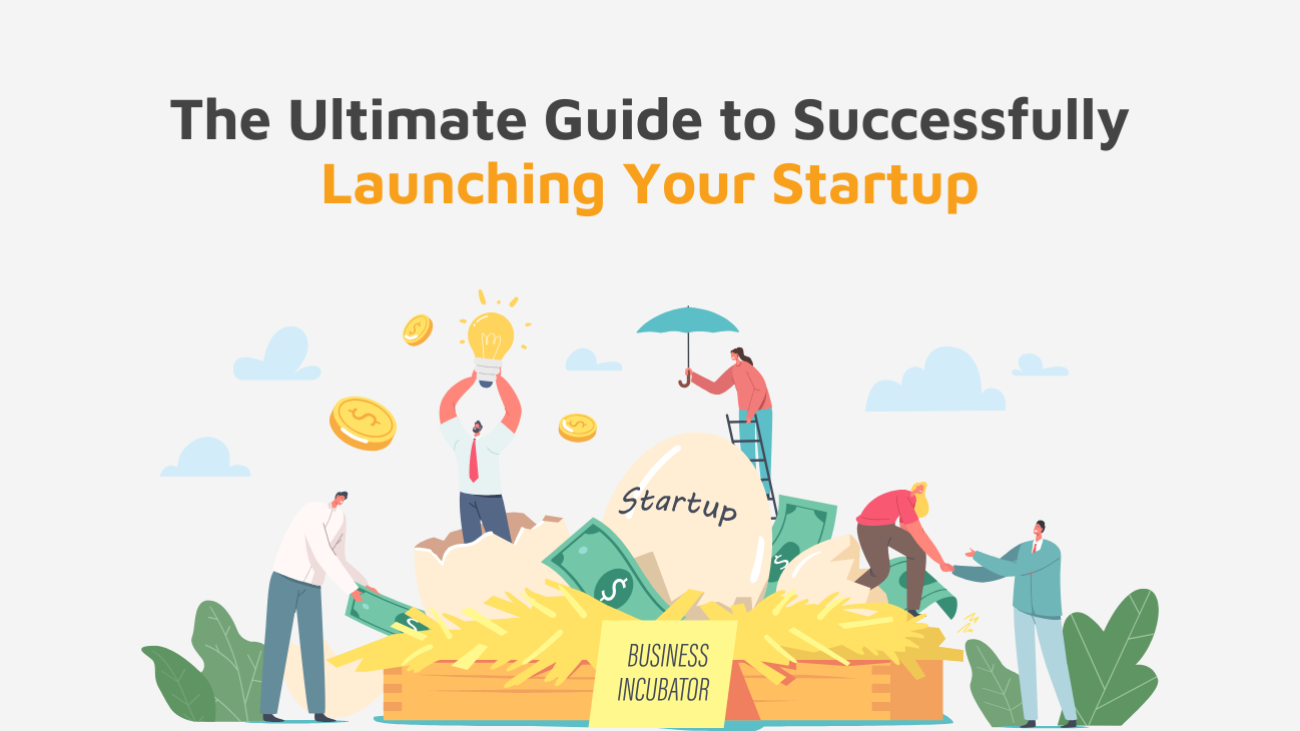
Starting a business in the UK can be an exciting venture, but it’s essential to consider the financial aspects carefully. From initial funding to managing cash flow, here are some key points to keep in mind.
Funding Options for Expats
- Personal savings: Using your own savings is a common way for expats to fund their businesses.
- Bank loans: Expats can explore local banks for business loans, but they may require a solid business plan and collateral.
- Investors: Seeking investment from venture capitalists or angel investors can provide the necessary funds for your business.
Managing Finances and Cash Flow
- Keep detailed financial records to track income and expenses.
- Create a budget and stick to it to ensure you’re not overspending.
- Monitor cash flow regularly to avoid running into financial difficulties.
Marketing and Branding Strategies
Starting a business in a new country can be daunting, but with the right marketing and branding strategies, expats can make a splash in the UK market. Building a strong brand presence and utilizing digital marketing are crucial steps for business growth in today’s competitive landscape.
Effective Marketing Strategies
- Identify your target audience: Understanding who your customers are and what they need is key to creating effective marketing campaigns.
- Utilize and PPC: Enhance your online visibility by optimizing your website for search engines and running pay-per-click advertising campaigns.
- Networking and partnerships: Forming strategic partnerships with other businesses and networking within your industry can help expand your reach.
- Email marketing: Utilize email campaigns to engage with customers, promote your products/services, and drive sales.
Building a Strong Brand Presence
- Consistent branding: Ensure your brand identity is consistent across all platforms, from your logo and colors to your messaging and tone.
- Create a compelling story: Develop a brand narrative that resonates with your target audience and sets you apart from competitors.
- Customer experience: Focus on providing exceptional customer service to build trust and loyalty with your customers.
- Monitor brand sentiment: Regularly monitor feedback and reviews to gauge how your brand is perceived and make necessary adjustments.
Importance of Digital Marketing and Social Media
- Reach a wider audience: Digital marketing allows you to reach a global audience and target specific demographics with precision.
- Engage with customers: Social media platforms provide a direct line of communication with your customers, allowing for real-time engagement and feedback.
- Track performance: Digital marketing tools provide valuable insights into campaign performance, allowing you to make data-driven decisions for future strategies.
- Cost-effective: Compared to traditional marketing methods, digital marketing and social media campaigns are often more cost-effective and yield higher ROI.
Networking and Building Connections
Networking is a crucial aspect of building a successful business in the UK. It allows expats to establish relationships, gain valuable insights, and create opportunities for growth. Effective networking can open doors to new partnerships, clients, and resources that can propel your business forward.
The Importance of Networking
- Networking helps you build a support system of like-minded individuals who understand the challenges of starting a business in a new country.
- It provides access to valuable information, industry trends, and potential business opportunities that may not be readily available through other channels.
- Networking can boost your credibility and visibility within the UK business community, helping you establish a strong reputation for your brand.
Tips for Effective Networking
- Attend networking events, conferences, and industry meetups to meet potential collaborators and investors.
- Utilize social media platforms like LinkedIn to connect with professionals in your industry and engage in meaningful conversations.
- Be proactive in reaching out to other expats or local entrepreneurs for coffee meetings or informational interviews to learn from their experiences.
Benefits of Joining Business Associations
- Membership in business associations or chambers of commerce provides access to a network of established businesses and industry experts who can offer guidance and mentorship.
- These organizations often host networking events, workshops, and seminars that can help you expand your knowledge and connect with key players in your sector.
- Joining a business association can also lend credibility to your brand and demonstrate your commitment to the local business community.
Ending Remarks
In conclusion, embarking on a business journey in the UK as an expat requires careful planning and strategic decision-making. By following the insights and tips provided in this guide, you’ll be well on your way to establishing a thriving business in a new environment.
FAQ Corner: Ultimate Guide For Expats: How To Successfully Start A Business In The UK
What are the different business structures available in the UK?
There are several business structures in the UK, including sole trader, partnership, limited liability partnership, and limited company.
What legal requirements do I need to consider when starting a business in the UK?
Legal requirements include registration, permits, licenses, and compliance with HMRC and Companies House.
How can expats secure funding for their business in the UK?
Expats can explore various funding options such as loans, grants, or investors to support their business ventures in the UK.
What are some effective marketing strategies for expats in the UK?
Effective marketing strategies include digital marketing, social media presence, and building a strong brand identity.
Why is networking important for expats starting a business in the UK?
Networking helps expats build connections, gain valuable insights, and potentially open doors to new opportunities in the UK business community.