Start a UK Business as an Expat: Costs, Requirements, and Process Explained sets the stage for this enthralling narrative, offering readers a glimpse into a story that is rich in detail with deep and engaging interview style and brimming with originality from the outset.
Starting a business in the UK as an expat involves navigating through various costs, legal requirements, and a detailed registration process. This comprehensive guide sheds light on the intricacies of this venture, providing invaluable insights for those looking to establish their business in the UK.






Costs of Starting a UK Business as an Expat
Starting a business in the UK as an expat comes with its own set of costs that need to be carefully considered. Let’s break down the various expenses you may encounter along the way.
Initial Setup Costs
Setting up a business in the UK involves certain initial expenses such as registering your business, obtaining necessary licenses, and setting up a business bank account. These costs can vary depending on the type of business structure you choose.
Ongoing Expenses
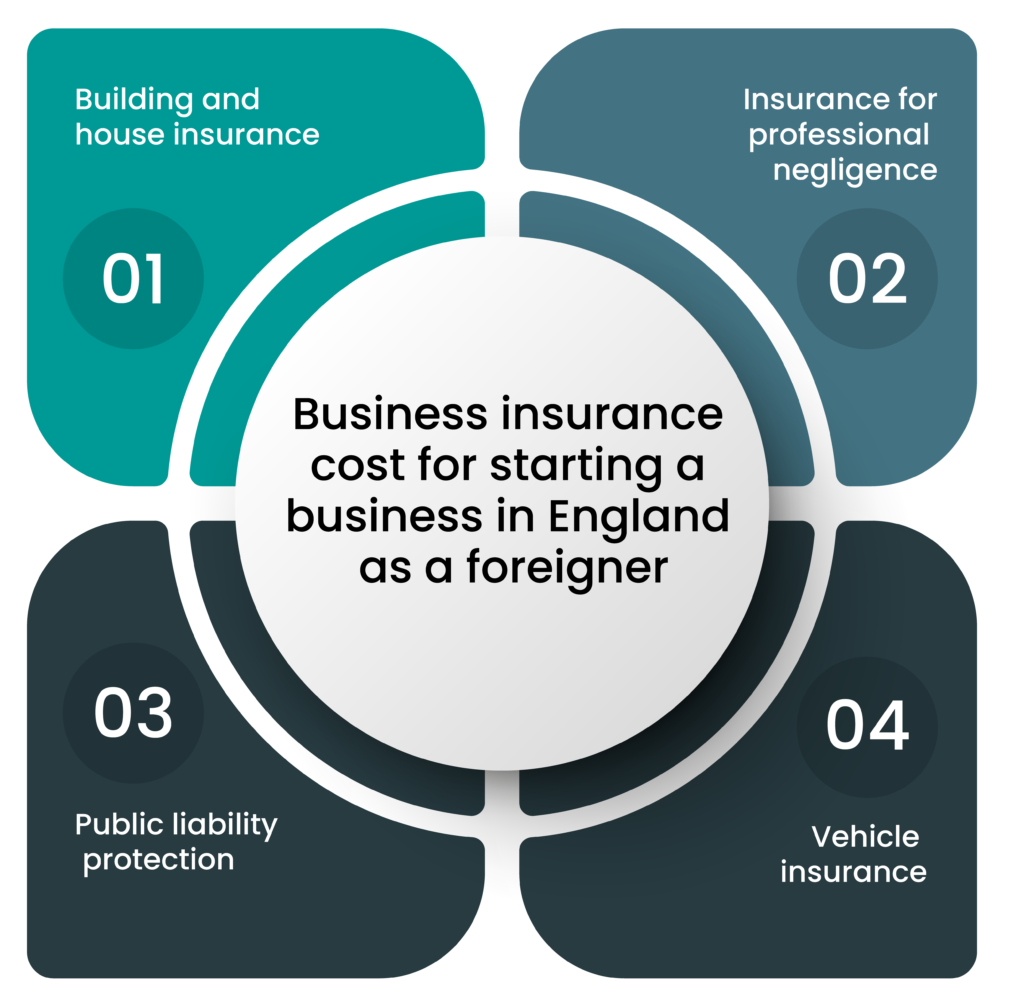
In addition to the initial setup costs, expats should also consider ongoing expenses such as rent for office space, utilities, salaries for employees, marketing and advertising costs, insurance, and other operational expenses. It’s important to budget for these recurring costs to ensure the smooth running of your business.
Costs of Different Business Structures
When deciding on the structure of your business, whether it’s a sole trader, limited company, or partnership, it’s essential to understand the associated costs. Sole traders generally have lower setup costs compared to limited companies, but limited companies may offer more tax advantages and protection for personal assets.
Partnerships involve shared costs and responsibilities among partners.
Tax Implications
As an expat starting a business in the UK, it’s crucial to be aware of the tax implications. You may need to register for VAT if your business reaches the threshold, pay corporation tax as a limited company, or report your income as a sole trader.
Understanding the tax requirements and implications will help you plan your finances effectively.
Requirements for Starting a UK Business as an Expat
Starting a business in the UK as an expat comes with specific legal requirements and procedures that need to be followed. It’s essential to understand the steps involved in setting up your business successfully in a new country.To begin your entrepreneurial journey in the UK, here are the key requirements you need to keep in mind:
Legal Requirements for Expats to Start a Business in the UK
- As an expat, you will need to have the right to work in the UK. This may require obtaining the relevant visa or work permit that allows you to engage in business activities.
- It is important to comply with UK laws and regulations governing foreign nationals starting businesses in the country. Make sure you understand the legal framework and any specific requirements for expat entrepreneurs.
Necessary Permits or Visas Required
- Depending on your nationality and the nature of your business, you may need to apply for a specific visa or permit to legally operate your business in the UK. Research the visa options available for entrepreneurs and ensure you meet the eligibility criteria.
- Consider seeking professional advice or assistance to navigate the visa application process smoothly and avoid any delays or complications.
Registration Process with Companies House
- All businesses operating in the UK need to be registered with Companies House. As an expat entrepreneur, you will have to go through the registration process to establish your business legally.
- Prepare the necessary documentation and information required for registration, such as details of company directors, shareholders, and the business address. Follow the guidelines provided by Companies House to complete the registration accurately.
Importance of Having a UK Business Address, Start a UK Business as an Expat: Costs, Requirements, and Process Explained
- Having a UK business address is crucial for establishing credibility and legitimacy for your business in the UK market. It provides a physical location for your company and helps build trust with customers, suppliers, and partners.
- Consider options such as virtual office services or coworking spaces if you do not have a physical office in the UK. This allows you to have a professional business address without the need for a dedicated office space.
Process Explained: Start A UK Business As An Expat: Costs, Requirements, And Process Explained

Starting a business in the UK as an expat can be a rewarding venture, but it requires a clear understanding of the process. Below is a step-by-step guide to help expats navigate the registration process smoothly.
Obtaining a National Insurance Number
Before you can start a business in the UK, you need to obtain a National Insurance Number (NIN). This unique number is used for tax and benefit purposes and is essential for conducting business legally in the UK.
- Contact the Department for Work and Pensions (DWP) to schedule an interview to apply for a NIN.
- Attend the interview with the required documents, such as your passport, visa, and proof of address.
- Once approved, you will receive your NIN in the mail within a few weeks.
Opening a Business Bank Account
Having a business bank account is crucial for managing your finances and separating personal and business expenses. As an expat, opening a business bank account in the UK may require additional documentation.
- Research and choose a bank that offers business accounts for expats.
- Prepare the necessary documents, such as proof of identity, proof of address, and business registration documents.
- Schedule an appointment with the chosen bank to open your business account.
- Once approved, you can start using your business bank account for transactions.
Implications of Brexit on Expats Starting Businesses
With the UK’s exit from the European Union, there have been changes that may affect expats starting businesses in the UK. It is important to be aware of these implications to navigate the business landscape effectively.
- Changes in immigration rules may impact the ability of expats to work and start businesses in the UK.
- Tariffs and trade agreements may affect the costs of importing/exporting goods for your business.
- Stay updated on legal and regulatory changes post-Brexit to ensure compliance and mitigate any potential risks.
Final Wrap-Up
As we conclude this in-depth exploration of starting a UK business as an expat, it becomes evident that the journey is filled with challenges and opportunities. By understanding the costs, requirements, and process involved, expats can embark on this entrepreneurial path with confidence and clarity, paving the way for success in the dynamic UK business landscape.
Quick FAQs
What are the initial setup costs for starting a UK business as an expat?
The initial setup costs may vary depending on the business structure chosen, but they typically include registration fees, legal fees, and initial capital investment.
What legal requirements do expats need to fulfill to start a business in the UK?
Expats need to register their business with Companies House, obtain necessary permits or visas, and comply with UK tax laws.
How can expats obtain a National Insurance number when starting a business in the UK?
Expats can apply for a National Insurance number through the Department for Work and Pensions to fulfill their tax obligations in the UK.
What impact does Brexit have on expats starting businesses in the UK?
Brexit may bring changes to regulations and trade policies that could affect expats starting businesses in the UK, requiring them to stay informed and adapt accordingly.